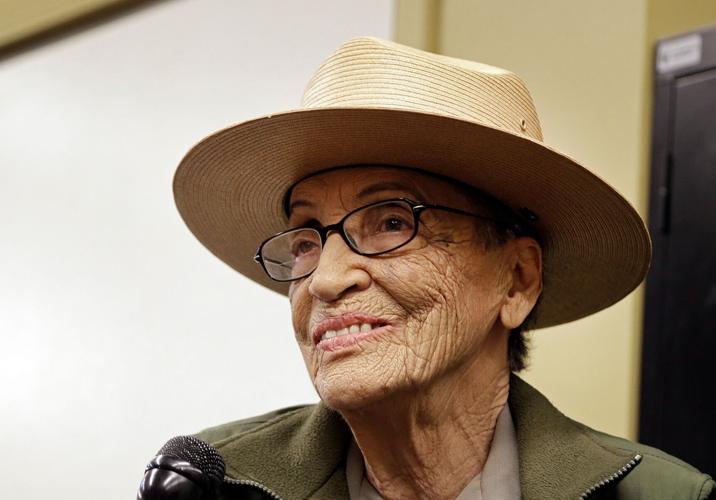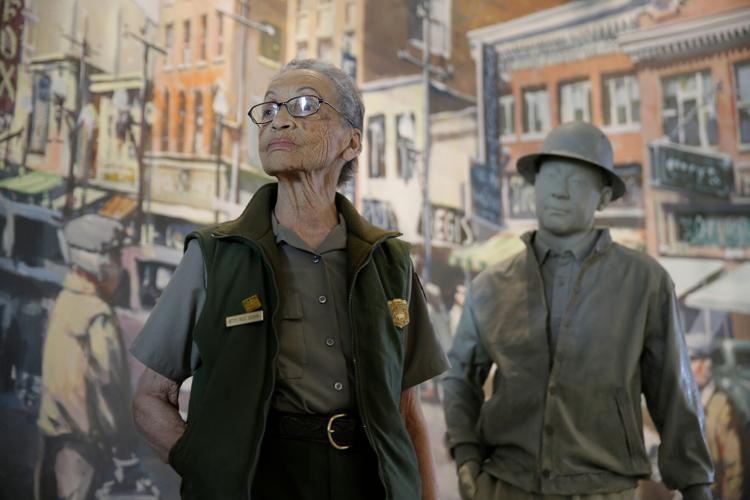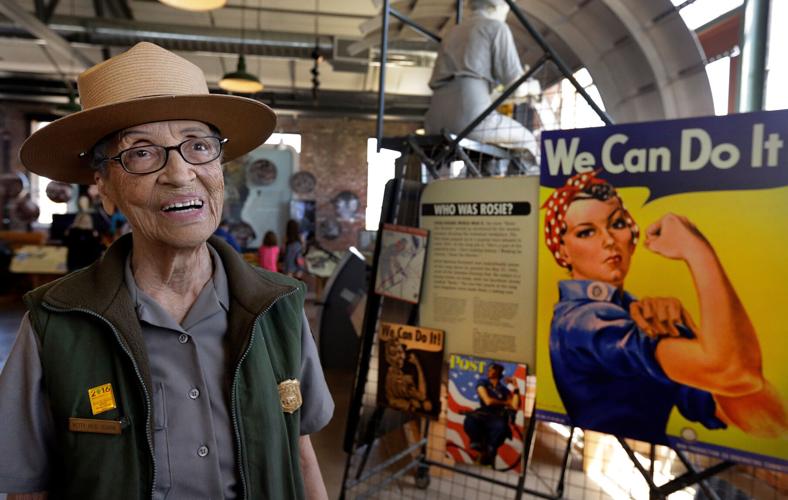

RICHMOND, Calif. — Betty Reid Soskin, who rose to national fame as the oldest National Park Service ranger and used the spotlight to talk about the African American experience during World War II, died at age 104.

FILE - National Park Service Ranger Betty Reid Soskin smiles during an interview at the Rosie the Riveter World War II Home Front National Historical Park in Richmond, Calif., July 12, 2016. (AP Photo/Ben Margot, File)
Ben Margot
- TARA COPP Associated Press

FILE - National Park Service Ranger Betty Reid Soskin works at the Rosie the Riveter World War II Home Front National Historical Park in Richmond, Calif., July 12, 2016. (AP Photo/Ben Margot, file)
Ben Margot
FILE - National Park Service Ranger Betty Reid Soskin works at the visitors center of the Rosie the Riveter/World War II Home Front National Historical Park in Richmond, Calif., July 26, 2016. (AP Photo/Eric Risberg, File)
Eric Risberg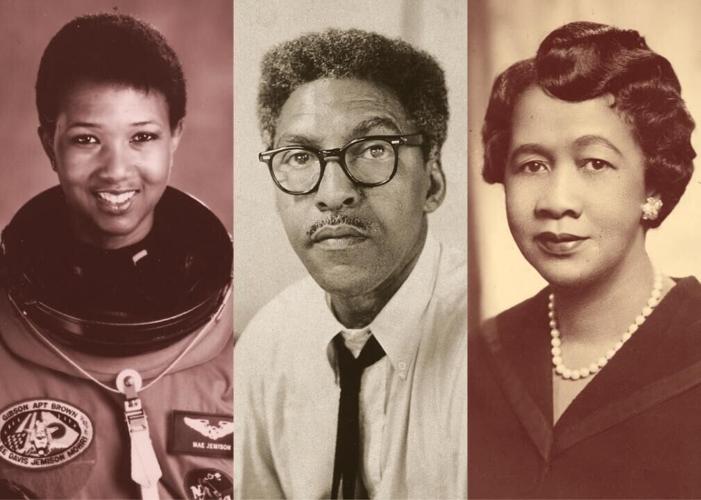
For many years, school curricula have limited their scope to the same Black figures throughout history. While lectures on the legacies of Martin Luther King Jr., Rosa Parks, and Harriet Tubman are all important, some educators () are eager to learn more about underrepresented trailblazers like Lewis Latimer, Marsha P. Johnson, and Max Robinson.
While there's a push to add more names to the Black history curriculum, states like Florida, Texas, and Oklahoma have approved or suggested measures to limit race-related language in public schools. Others have also by Black authors that focus on race.
- Afro American Newspapers/Gado/Getty Images; Allan Baum/New York Times Co./Getty Images
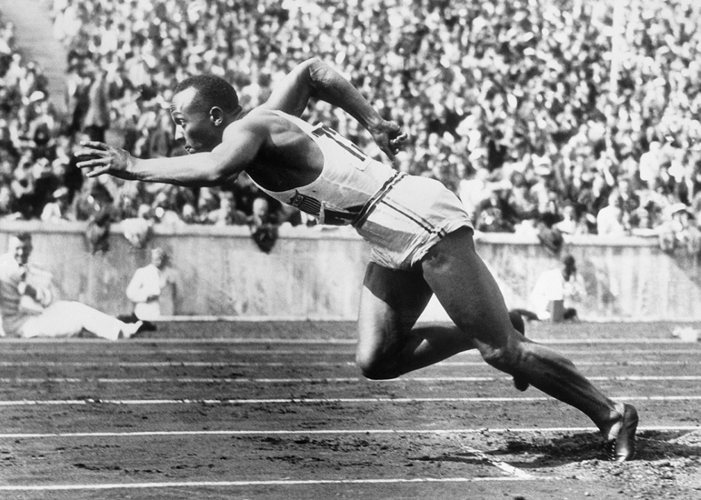
Jesse Owens, also known as "The Buckeye Bullet," started his track career in high school, setting records for the long jump, the 100-yard dash, and the high jump. After graduating, Owens enrolled at Ohio State University to continue his wins in events like the Big Ten, Amateur Athletic Union championships, and the Olympic trials.
In 1935, Owens competed and won 42 events. His growing fame led him to the 1936 Berlin Olympic Games, where he secured four gold medals and broke two Olympic records, including the record for long jump, an achievement he held for 25 years.
- Bettmann // Getty Images
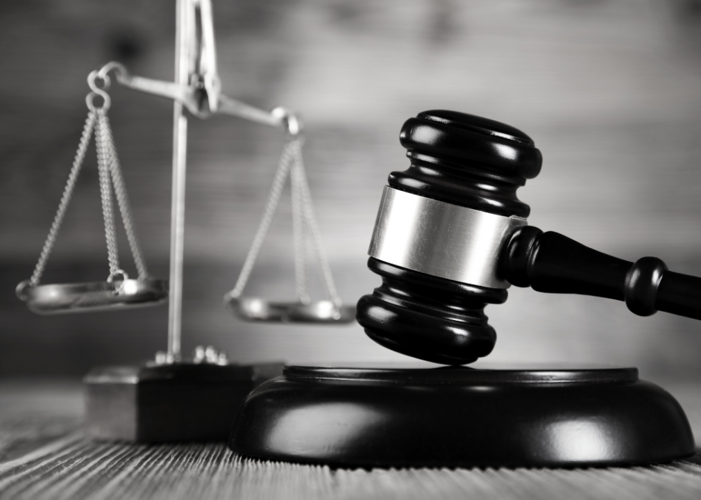
In 1935, Eunice Carter uncovered evidence connecting a mafia boss to a prostitution operation. Carter's efforts led to his conviction.
Carter was the first Black American woman to work as a Manhattan District Attorney Office prosecutor. Initially, she struggled to get a private practice, but it wasn't until 1935 that she was brought on to special prosecutor Thomas E. Dewey's team to curb mob activity.
- WESTOCK PRODUCTIONS // Shutterstock
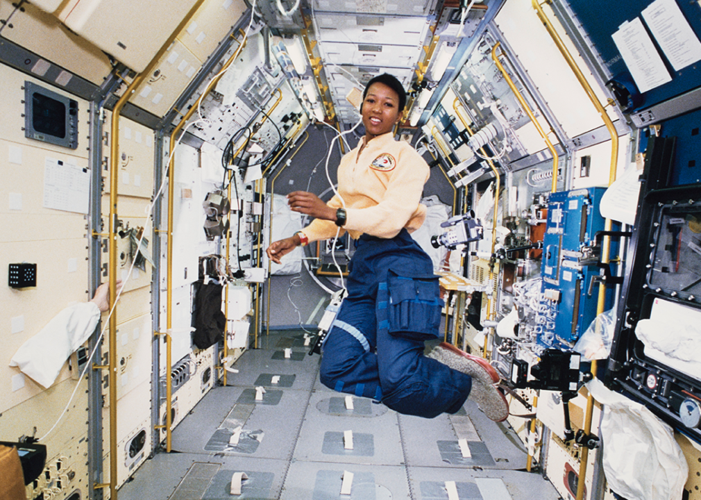
Women and astronauts of color have Mae Jemison to look up to as the first Black American woman to embark on outer space. Before joining NASA, Jemison worked as a general practitioner after receiving her master's in medicine from Cornell University in 1981. She later conducted medical research with the Peace Corps in Sierra Leone and Liberia.
Jemison always had a goal of flying into space, and when she returned to the United States, she applied to NASA's astronaut training program and was accepted in 1987. Five years later, Jemison and six other astronauts flew Space Shuttle Endeavour into space on mission STS-47 on Sept. 12, 1992. There, she spent eight days conducting experiments on bone cells.
- Space Frontiers // Getty Images

Marie Maynard Daly became the first Black American woman awarded a doctorate in chemistry in the United States. She earned her bachelor's in chemistry from Queens College and fellowships to pursue her master's at New York University. She received her doctorate in 1947 from Columbia University, becoming the first Black woman to earn such an honor in any subject at the university.
Despite the racial and gender biases, Daly conducted pivotal studies on cholesterol, sugars, and proteins. In 1955, she returned to Columbia to collaborate on innovative rat studies measuring cholesterol levels and blood pressure to indicate the correlation between high cholesterol and clogged arteries, which can cause stroke or heart attack. Her research also extended to the damage smoking can have on lung health in both humans and dogs exposed to chronic cigarette smoke.
- New Africa // Shutterstock
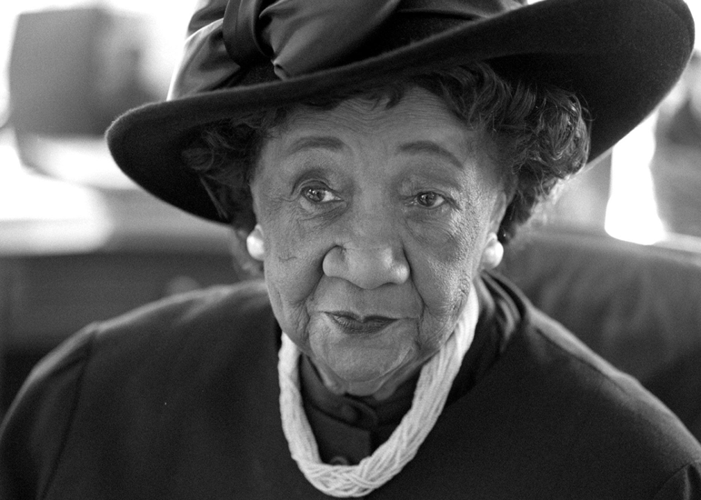
Dorothy Height was a civil rights and women's rights activist devoted to improving opportunities for Black women. While working for the national YMCA office, Height oversaw the desegregation of all YMCA chapters in 1946. She was also the first director of the Center for Racial Justice.
Height's 40-year presidency of the National Council of Negro Women made her a leading figure in the Civil Rights Movement, and she is also credited as the first person to relate equality issues for Black Americans and women, seeing relationships in both sectors that were often deemed separate.
- Susan Biddle/The Washington Post via Getty Images
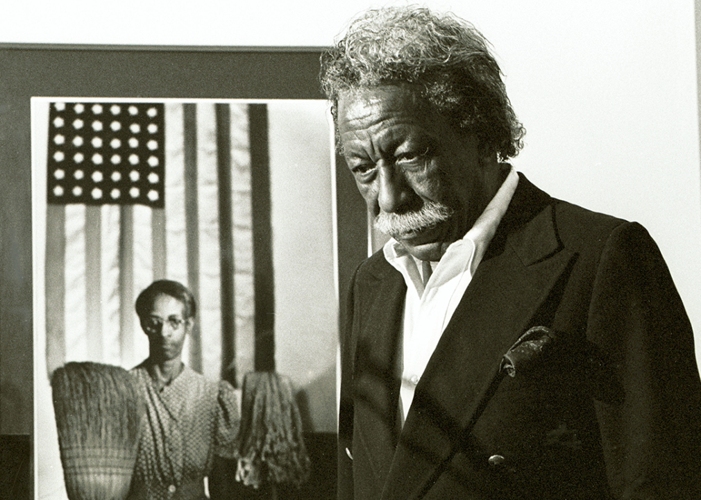
From the 1940s to the 2000s, Gordon Parks' photojournalism focused on poverty, civil rights, race relations, and urban life. Parks was also a well-known composer, author, and filmmaker who interacted with influential people.
In 1949, he became the first Black staff photographer at Life magazine. Twenty years later, he tried his hand in Hollywood, becoming the first Black American to direct a major Hollywood studio feature film, "," based on his semi-autobiographical novel.
- John Pineda // Getty Images
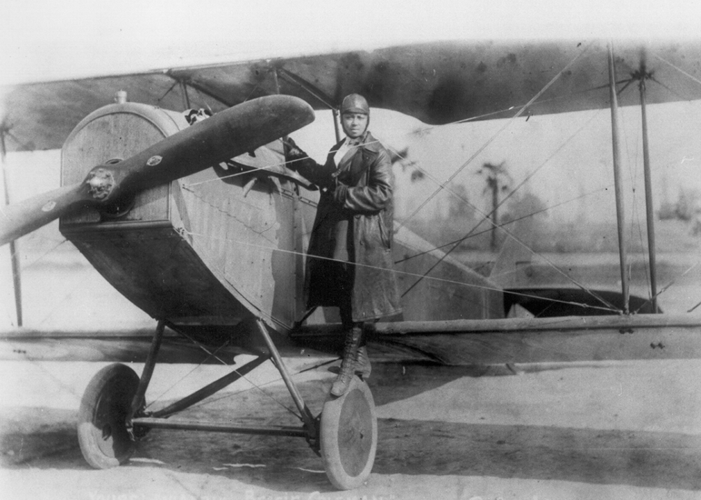
Bessie Coleman was the first Black American woman to hold a pilot's license. At a time when Black people were prohibited from voting, using public facilities, and riding railway cars with white people, Coleman dreamed of learning to fly, inspired by the stories her brothers came home with after serving during World War I.
After many rejections from aviation schools in the United States, Coleman applied to and was accepted at the Caudron Brothers School of Aviation in Le Crotoy, France. In 1921, she received her international pilot's license and returned to the U.S., where she performed numerous air shows. Coleman used her popularity to encourage other Black Americans to fly and pointedly refused to perform at locations that didn't allow entry to Black audiences.
- Michael Ochs Archives // Getty Images
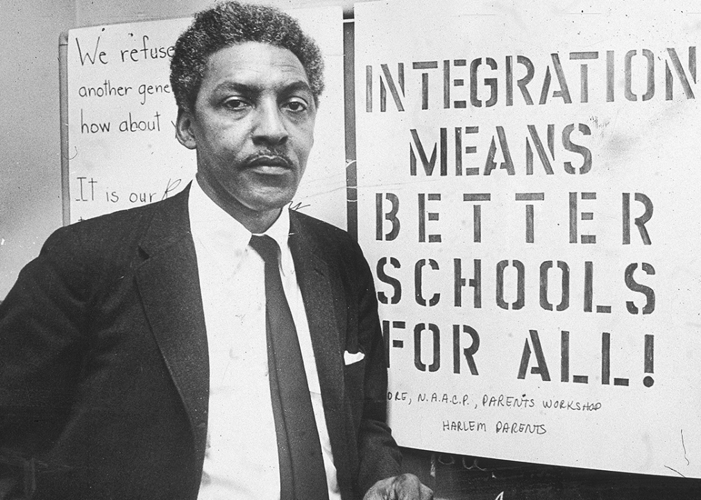
The 1963 March on Washington is known for Martin Luther King Jr.'s , but Rustin worked alongside A. Philip Randolph as deputy director and logistical planner for the historic event. Rustin further assisted King with the boycott of segregated buses in Montgomery, Alabama.
As a leader of social movements for civil rights, socialism, and nonviolence, Rustin espoused the philosophy of nonviolent resistance, profoundly shaping King's views on the subject as well. And while his contributions have often been overlooked because he was an openly gay Black man when homosexuality was considered a mental illness, history has come around since then.
- Patrick A. Burns/New York Times Co. // Getty Images
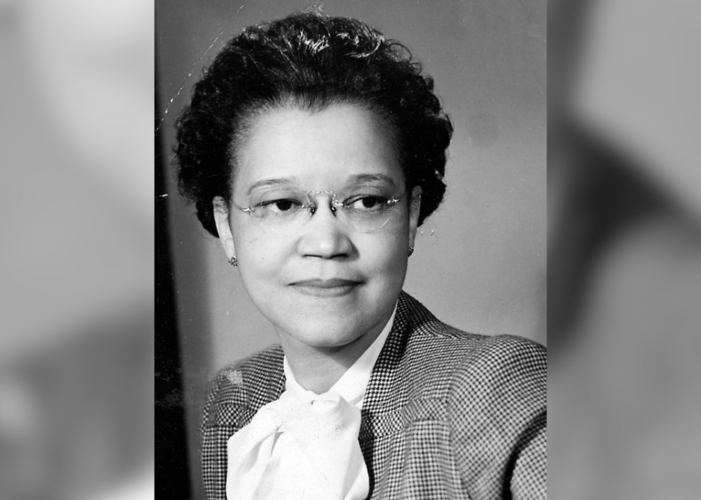
Sadie Tanner Mossell Alexander was the first Black woman lawyer in Pennsylvania. Alexander studied at the University of Pennsylvania, earning her Ph.D. in economics in 1921, becoming the first Black woman to do so.
After passing the Pennsylvania bar in 1927, she joined her husband's law firm, working on family and estate law. Alexander eventually opened her own firm in 1959 when her husband was stepped up to become a judge for the Philadelphia Court of Common Pleas.
- Afro American Newspapers/Gado // Getty Images
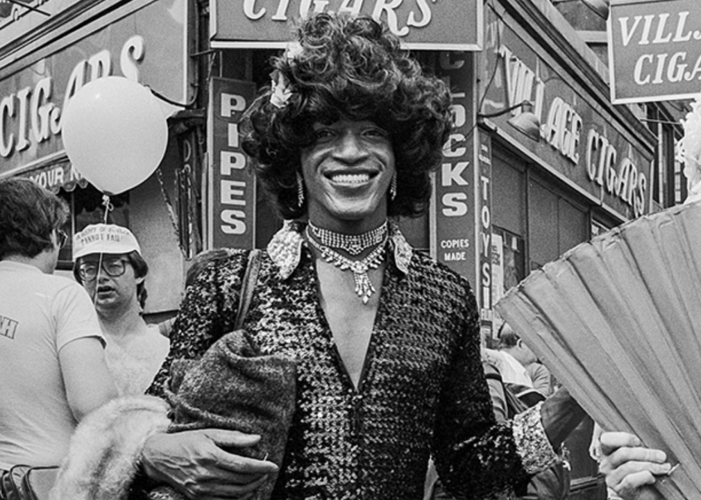
The LGBTQ+ movement would not be where it is today without Marsha P. Johnson. One of the most prominent figures of the movement in New York City, Johnson tirelessly advocated for LGBTQ+ youth without housing, people living with HIV and AIDS, and equal rights for LGBTQ+ people.
At 17, Johnson moved to New York City from New Jersey, where she could more freely express her identity and sexuality through drag. Johnson was one of the first drag queens to regularly patronize Greenwich Village's Stonewall Inn after it opened its doors to women and drag queens.
- Barbara Alper // Getty Images
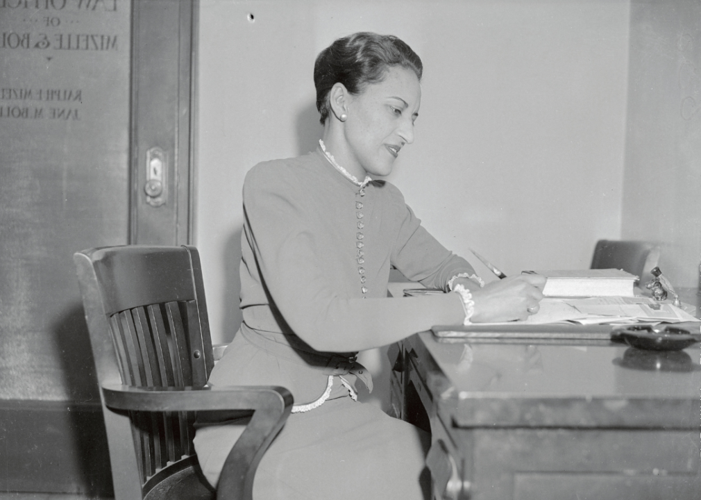
Jane Bolin was the first Black American woman graduate of Yale Law School and the first Black American woman judge in the United States. After graduating from Yale, Bolin worked with her family's practice before moving to New York. She continued to break barriers as the first Black American woman to work at New York's corporation counsel office.
Once sworn in as a judge of the city's family court in 1939, she changed segregationist policies, requiring child care agencies receiving public funding to accept children no matter their race or ethnicity. Bolin served for 40 years and retired at 70. Even after retirement, Bolin continued working with children, volunteering to tutor at New York City public schools and serving on the New York State Board of Regents.
- Bettmann // Getty Images
There are many firsts when it comes to Max Robinson. Robinson was a journalist for ABC News and co-anchored for "ABC World News Tonight," becoming the first Black American broadcast network news anchor in American television history in 1978.
In 1959, he moved to Washington D.C., where he covered urban neighborhood issues and racial issues. He obtained six awards for his coverage of the 1968 race riots following Martin Luther King Jr.'s assassination. He also won two regional Emmys for a documentary he created on Anacostia called "The Other Washington," where he exposed the racist laws keeping the Black community in that neighborhood in poverty.
- Microgen // Shutterstock
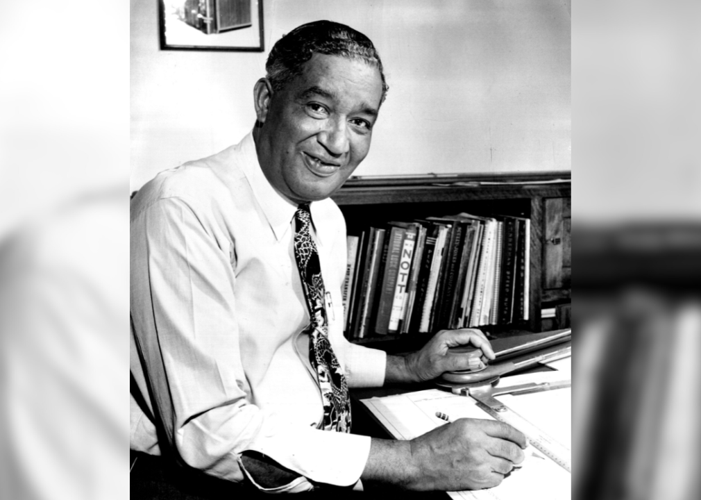
Frederick McKinley Jones was interested in mechanics at a young age, which he used as an auto mechanic. With limited education, Jones taught himself mechanical and electrical engineering.
During World War I, he served in the U.S. Army, repairing machines and equipment. After returning from the war, McKinley continued to educate himself on various technologies, including electronics, when he caught the eye of entrepreneur Joseph Numero.
- Sharee Marcus/Star Tribune via Getty Images
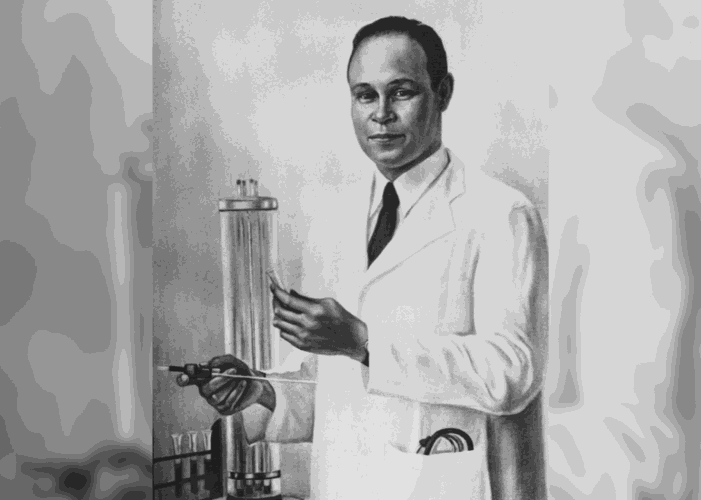
Charles R. Drew, better known as the "father of the blood bank," is a pioneer in blood chemistry research. Drew conducted original research in fluid replacement and held a trial blood bank for seven months. In 1940, he became the first Black American to earn a doctorate in medical science from Columbia for his thesis, "Banked Blood: A Study in Blood Preservation."
Drew was also pivotal in developing procedures for extracting plasma, preserving it against contamination, and packaging it for wounded soldiers during World War II. Through a U.S. relief program called Blood for Britain, more than 14,000 blood donations were collected, and 5,000 liters of plasma were shipped to England under Drew's direction. Many recognized his achievements, earning him a Spingarn Medal from the NAACP.
- Betsy Graves Reyneau/Three Lions/Hulton Archive // Getty Images
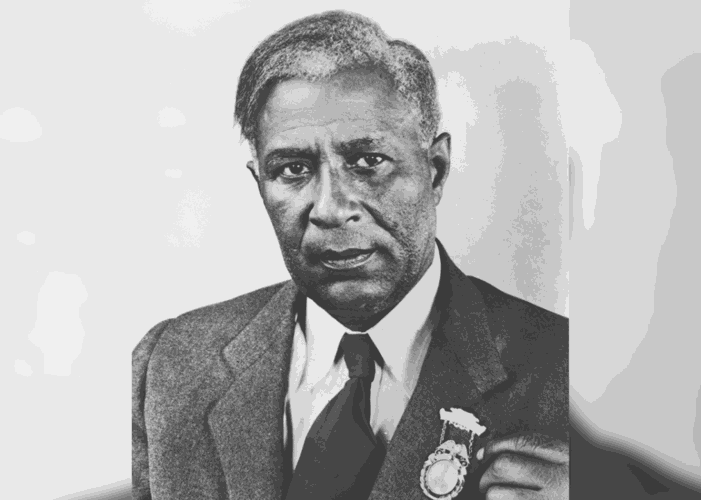
Inventions like the traffic signal are best attributed to trailblazers like Garret Morgan. Morgan started his career working for a clothing manufacturer, where he learned about fixing equipment, leading to a patent for a sewing machine belt fastener. After handling a successful business, Morgan created a breathing device to protect wearers from smoke, gas, and other pollutants. The device earned him the first prize at the Second International Exposition of Safety and Sanitation.
Safety is a theme that runs through Morgan's inventions. In 1923, he patented a new traffic signal. Before his invention, traffic lights were manually operated and had only two modes—stop and go. Morgan added a third mode—a caution light—to prepare motorists to change gears. General Motors purchased Morgan's patent for $40,000 in 1923 (about $710,000 today).
- Fotosearch // Getty Images
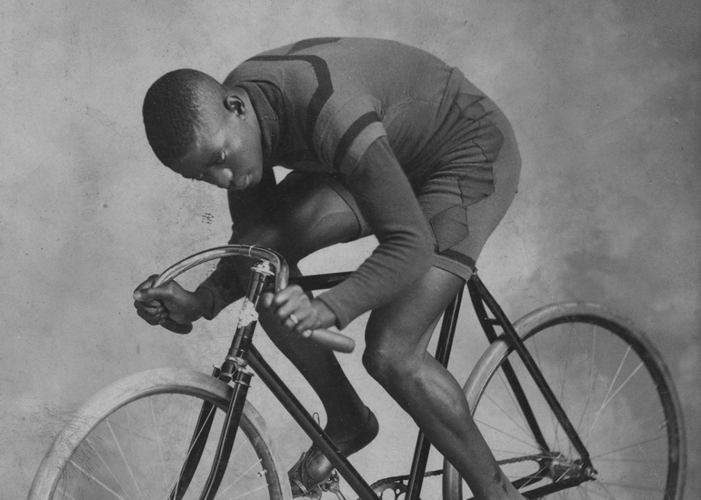
Before Jackie Robinson, Jesse Owens, and Jack Johnson, there was Marshall "Major" Taylor. Taylor was the first Black American sports sensation to take an interest in cycling. At an early age, he received a bicycle and was later hired to perform cycling stunts outside a bicycle shop.
By 1898, he had seven world records and was named the national cycling champion two years later. At his peak, he was touring internationally and was one of the highest-paid athletes of his time.
- NYPL/Interim Archives // Getty Images
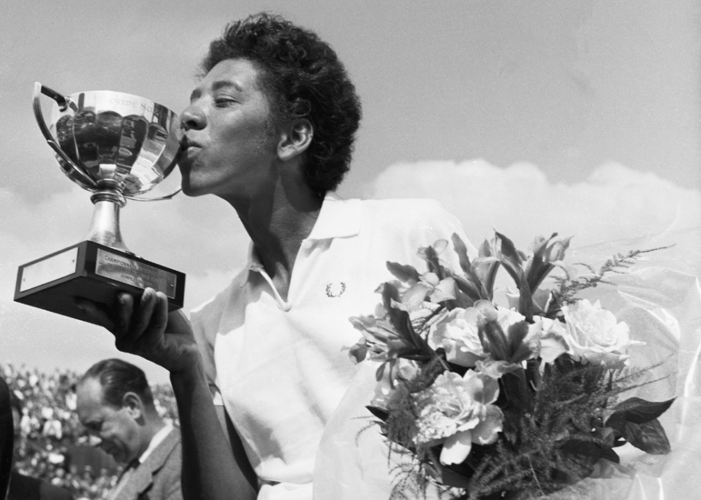
Before Serena and Venus Williams, there was Althea Gibson. Gibson was the first Black American tennis player to compete in the U.S. National Championships (a precursor of the U.S. Open) in 1950. She was the first Black American to win a Grand Slam title in 1956, winning the French Championships; the following year, she became the first Black American to triumph at Wimbledon.
She showed a love for tennis at an early age, but there weren't many opportunities for Black people to pursue the sport then. However, she loved playing local paddle tennis. Her skills eventually got her noticed, leading to her being professionally trained in tennis.
- Bettmann // Getty Images
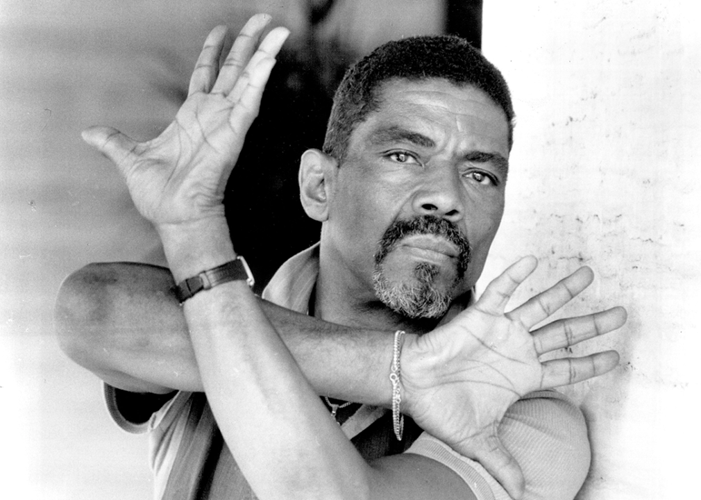
Alvin Ailey's choreographies are an important part of modern dance history. His most famous dance, "Revelations," used traditional African American blues, work songs, and spirituals to tell inspirational stories of persistence from slavery to freedom.
In 1958, Ailey founded the Alvin Ailey American Dance Theater, which gained popularity along with his dances, leading to a tour sponsored by the Department of State. Other notable works included 1958's "Blues Suite" and "Cry," which featured a woman solo created for his mother. He also created works set to jazz music greats like Duke Ellington and Hugh Masekela.
- Robert Pearce/Fairfax Media via Getty Images
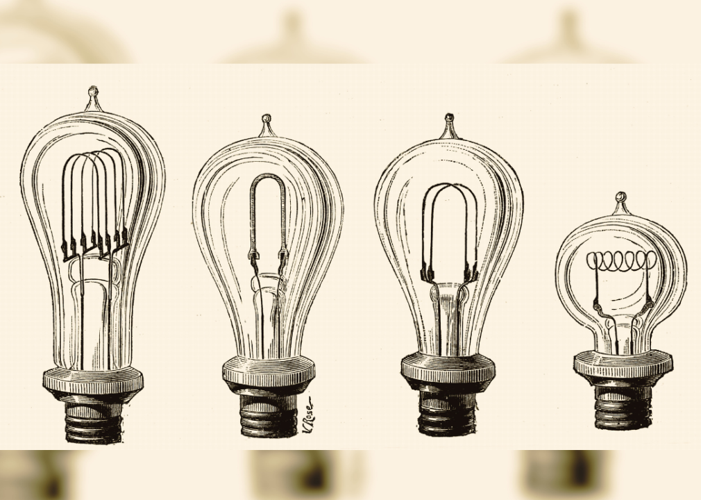
As the son of self-emancipated people, Lewis Howard Latimer created his own path through mechanical drawing. He observed drafters at work and read books during his job as an office boy for a patent law firm. His eagerness to learn the trade earned him opportunities to work on important projects like the telephone, lightbulb, and an early version of an air conditioner.
He was a critical reason that Alexander Graham Bell was awarded the patent for the telephone, working late into the night drafting blueprints and efficiently submitting an application hours ahead of Bell's competitor. A filament he developed made Thomas Edison's lightbulb more reliable and long-lasting. Latimer also pursued creative interests like poetry, playing the flute, and speaking enough French to oversee electrical lighting installations. He was awarded 10 U.S. patents.
- Universal History Archive // Getty Images
19 Black historical figures you probably didn't learn about in class

19 Black historical figures you probably didn't learn about in class
For many years, school curricula have limited their scope to the same Black figures throughout history. While lectures on the legacies of Martin Luther King Jr., Rosa Parks, and Harriet Tubman are all important, some educators () are eager to learn more about underrepresented trailblazers like Lewis Latimer, Marsha P. Johnson, and Max Robinson.
While there's a push to add more names to the Black history curriculum, states like Florida, Texas, and Oklahoma have approved or suggested measures to limit race-related language in public schools. Others have also by Black authors that focus on race.
- Afro American Newspapers/Gado/Getty Images; Allan Baum/New York Times Co./Getty Images
Jesse Owens, also known as "The Buckeye Bullet," started his track career in high school, setting records for the long jump, the 100-yard dash, and the high jump. After graduating, Owens enrolled at Ohio State University to continue his wins in events like the Big Ten, Amateur Athletic Union championships, and the Olympic trials.
In 1935, Owens competed and won 42 events. His growing fame led him to the 1936 Berlin Olympic Games, where he secured four gold medals and broke two Olympic records, including the record for long jump, an achievement he held for 25 years.
- Bettmann // Getty Images
In 1935, Eunice Carter uncovered evidence connecting a mafia boss to a prostitution operation. Carter's efforts led to his conviction.
Carter was the first Black American woman to work as a Manhattan District Attorney Office prosecutor. Initially, she struggled to get a private practice, but it wasn't until 1935 that she was brought on to special prosecutor Thomas E. Dewey's team to curb mob activity.
- WESTOCK PRODUCTIONS // Shutterstock
Women and astronauts of color have Mae Jemison to look up to as the first Black American woman to embark on outer space. Before joining NASA, Jemison worked as a general practitioner after receiving her master's in medicine from Cornell University in 1981. She later conducted medical research with the Peace Corps in Sierra Leone and Liberia.
Jemison always had a goal of flying into space, and when she returned to the United States, she applied to NASA's astronaut training program and was accepted in 1987. Five years later, Jemison and six other astronauts flew Space Shuttle Endeavour into space on mission STS-47 on Sept. 12, 1992. There, she spent eight days conducting experiments on bone cells.
- Space Frontiers // Getty Images
Marie Maynard Daly became the first Black American woman awarded a doctorate in chemistry in the United States. She earned her bachelor's in chemistry from Queens College and fellowships to pursue her master's at New York University. She received her doctorate in 1947 from Columbia University, becoming the first Black woman to earn such an honor in any subject at the university.
Despite the racial and gender biases, Daly conducted pivotal studies on cholesterol, sugars, and proteins. In 1955, she returned to Columbia to collaborate on innovative rat studies measuring cholesterol levels and blood pressure to indicate the correlation between high cholesterol and clogged arteries, which can cause stroke or heart attack. Her research also extended to the damage smoking can have on lung health in both humans and dogs exposed to chronic cigarette smoke.
- New Africa // Shutterstock
Dorothy Height was a civil rights and women's rights activist devoted to improving opportunities for Black women. While working for the national YMCA office, Height oversaw the desegregation of all YMCA chapters in 1946. She was also the first director of the Center for Racial Justice.
Height's 40-year presidency of the National Council of Negro Women made her a leading figure in the Civil Rights Movement, and she is also credited as the first person to relate equality issues for Black Americans and women, seeing relationships in both sectors that were often deemed separate.
- Susan Biddle/The Washington Post via Getty Images
From the 1940s to the 2000s, Gordon Parks' photojournalism focused on poverty, civil rights, race relations, and urban life. Parks was also a well-known composer, author, and filmmaker who interacted with influential people.
In 1949, he became the first Black staff photographer at Life magazine. Twenty years later, he tried his hand in Hollywood, becoming the first Black American to direct a major Hollywood studio feature film, "," based on his semi-autobiographical novel.
- John Pineda // Getty Images
Bessie Coleman was the first Black American woman to hold a pilot's license. At a time when Black people were prohibited from voting, using public facilities, and riding railway cars with white people, Coleman dreamed of learning to fly, inspired by the stories her brothers came home with after serving during World War I.
After many rejections from aviation schools in the United States, Coleman applied to and was accepted at the Caudron Brothers School of Aviation in Le Crotoy, France. In 1921, she received her international pilot's license and returned to the U.S., where she performed numerous air shows. Coleman used her popularity to encourage other Black Americans to fly and pointedly refused to perform at locations that didn't allow entry to Black audiences.
- Michael Ochs Archives // Getty Images
The 1963 March on Washington is known for Martin Luther King Jr.'s , but Rustin worked alongside A. Philip Randolph as deputy director and logistical planner for the historic event. Rustin further assisted King with the boycott of segregated buses in Montgomery, Alabama.
As a leader of social movements for civil rights, socialism, and nonviolence, Rustin espoused the philosophy of nonviolent resistance, profoundly shaping King's views on the subject as well. And while his contributions have often been overlooked because he was an openly gay Black man when homosexuality was considered a mental illness, history has come around since then.
- Patrick A. Burns/New York Times Co. // Getty Images
Sadie Tanner Mossell Alexander was the first Black woman lawyer in Pennsylvania. Alexander studied at the University of Pennsylvania, earning her Ph.D. in economics in 1921, becoming the first Black woman to do so.
After passing the Pennsylvania bar in 1927, she joined her husband's law firm, working on family and estate law. Alexander eventually opened her own firm in 1959 when her husband was stepped up to become a judge for the Philadelphia Court of Common Pleas.
- Afro American Newspapers/Gado // Getty Images
The LGBTQ+ movement would not be where it is today without Marsha P. Johnson. One of the most prominent figures of the movement in New York City, Johnson tirelessly advocated for LGBTQ+ youth without housing, people living with HIV and AIDS, and equal rights for LGBTQ+ people.
At 17, Johnson moved to New York City from New Jersey, where she could more freely express her identity and sexuality through drag. Johnson was one of the first drag queens to regularly patronize Greenwich Village's Stonewall Inn after it opened its doors to women and drag queens.
- Barbara Alper // Getty Images
Jane Bolin was the first Black American woman graduate of Yale Law School and the first Black American woman judge in the United States. After graduating from Yale, Bolin worked with her family's practice before moving to New York. She continued to break barriers as the first Black American woman to work at New York's corporation counsel office.
Once sworn in as a judge of the city's family court in 1939, she changed segregationist policies, requiring child care agencies receiving public funding to accept children no matter their race or ethnicity. Bolin served for 40 years and retired at 70. Even after retirement, Bolin continued working with children, volunteering to tutor at New York City public schools and serving on the New York State Board of Regents.
- Bettmann // Getty Images
There are many firsts when it comes to Max Robinson. Robinson was a journalist for ABC News and co-anchored for "ABC World News Tonight," becoming the first Black American broadcast network news anchor in American television history in 1978.
In 1959, he moved to Washington D.C., where he covered urban neighborhood issues and racial issues. He obtained six awards for his coverage of the 1968 race riots following Martin Luther King Jr.'s assassination. He also won two regional Emmys for a documentary he created on Anacostia called "The Other Washington," where he exposed the racist laws keeping the Black community in that neighborhood in poverty.
- Microgen // Shutterstock
Frederick McKinley Jones was interested in mechanics at a young age, which he used as an auto mechanic. With limited education, Jones taught himself mechanical and electrical engineering.
During World War I, he served in the U.S. Army, repairing machines and equipment. After returning from the war, McKinley continued to educate himself on various technologies, including electronics, when he caught the eye of entrepreneur Joseph Numero.
- Sharee Marcus/Star Tribune via Getty Images
Charles R. Drew, better known as the "father of the blood bank," is a pioneer in blood chemistry research. Drew conducted original research in fluid replacement and held a trial blood bank for seven months. In 1940, he became the first Black American to earn a doctorate in medical science from Columbia for his thesis, "Banked Blood: A Study in Blood Preservation."
Drew was also pivotal in developing procedures for extracting plasma, preserving it against contamination, and packaging it for wounded soldiers during World War II. Through a U.S. relief program called Blood for Britain, more than 14,000 blood donations were collected, and 5,000 liters of plasma were shipped to England under Drew's direction. Many recognized his achievements, earning him a Spingarn Medal from the NAACP.
- Betsy Graves Reyneau/Three Lions/Hulton Archive // Getty Images
Inventions like the traffic signal are best attributed to trailblazers like Garret Morgan. Morgan started his career working for a clothing manufacturer, where he learned about fixing equipment, leading to a patent for a sewing machine belt fastener. After handling a successful business, Morgan created a breathing device to protect wearers from smoke, gas, and other pollutants. The device earned him the first prize at the Second International Exposition of Safety and Sanitation.
Safety is a theme that runs through Morgan's inventions. In 1923, he patented a new traffic signal. Before his invention, traffic lights were manually operated and had only two modes—stop and go. Morgan added a third mode—a caution light—to prepare motorists to change gears. General Motors purchased Morgan's patent for $40,000 in 1923 (about $710,000 today).
- Fotosearch // Getty Images
Before Jackie Robinson, Jesse Owens, and Jack Johnson, there was Marshall "Major" Taylor. Taylor was the first Black American sports sensation to take an interest in cycling. At an early age, he received a bicycle and was later hired to perform cycling stunts outside a bicycle shop.
By 1898, he had seven world records and was named the national cycling champion two years later. At his peak, he was touring internationally and was one of the highest-paid athletes of his time.
- NYPL/Interim Archives // Getty Images
Before Serena and Venus Williams, there was Althea Gibson. Gibson was the first Black American tennis player to compete in the U.S. National Championships (a precursor of the U.S. Open) in 1950. She was the first Black American to win a Grand Slam title in 1956, winning the French Championships; the following year, she became the first Black American to triumph at Wimbledon.
She showed a love for tennis at an early age, but there weren't many opportunities for Black people to pursue the sport then. However, she loved playing local paddle tennis. Her skills eventually got her noticed, leading to her being professionally trained in tennis.
- Bettmann // Getty Images
Alvin Ailey's choreographies are an important part of modern dance history. His most famous dance, "Revelations," used traditional African American blues, work songs, and spirituals to tell inspirational stories of persistence from slavery to freedom.
In 1958, Ailey founded the Alvin Ailey American Dance Theater, which gained popularity along with his dances, leading to a tour sponsored by the Department of State. Other notable works included 1958's "Blues Suite" and "Cry," which featured a woman solo created for his mother. He also created works set to jazz music greats like Duke Ellington and Hugh Masekela.
- Robert Pearce/Fairfax Media via Getty Images
As the son of self-emancipated people, Lewis Howard Latimer created his own path through mechanical drawing. He observed drafters at work and read books during his job as an office boy for a patent law firm. His eagerness to learn the trade earned him opportunities to work on important projects like the telephone, lightbulb, and an early version of an air conditioner.
He was a critical reason that Alexander Graham Bell was awarded the patent for the telephone, working late into the night drafting blueprints and efficiently submitting an application hours ahead of Bell's competitor. A filament he developed made Thomas Edison's lightbulb more reliable and long-lasting. Latimer also pursued creative interests like poetry, playing the flute, and speaking enough French to oversee electrical lighting installations. He was awarded 10 U.S. patents.
- Universal History Archive // Getty Images
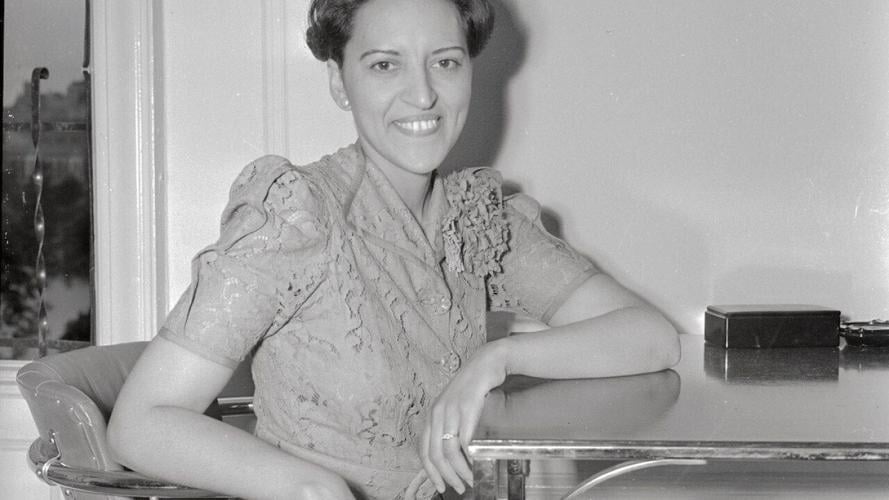
Jane Bolin, the first Black American woman graduate of Yale Law School and the first Black American woman judge in the United States.
- Bettmann // Getty Images
Obituaries Newsletter
Sign up to get the most recent local obituaries delivered to your inbox.